









Makar Sankranti Festival 2026

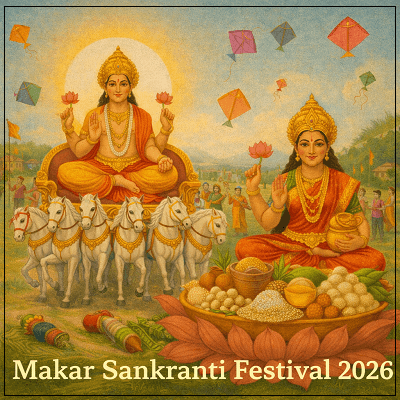
Makar Sankranti Festival 2026 stands as one of the most spiritually uplifting and culturally unifying celebrations in India. Observed every year in mid-January, this sacred occasion marks a powerful turning point in nature, time, and human consciousness. Unlike most Hindu festivals that follow the lunar calendar, Makar Sankranti follows the solar cycle, making it a symbol of consistency, balance, and universal rhythm. In 2026, people will celebrate this festival on 14 January, marking the Sun’s entry into Capricorn and the start of its northward journey, known as Uttarayana. This transition holds deep importance because it brings the return of light, warmth, and fresh energy to the earth.
Across India, Makar Sankranti Festival 2026 will be welcomed with prayers, gratitude, and joyful traditions that reflect humanity’s timeless relationship with the Sun. It is a festival that teaches acceptance of change, respect for nature’s cycles, and hope for a brighter future. The atmosphere on this day is filled with positivity, faith, and collective happiness, making it a truly universal celebration beyond regional boundaries.
Why Makar Sankranti Is Spiritually Significant
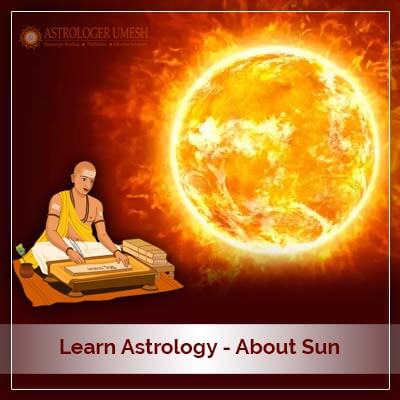
The spiritual depth of Makar Sankranti Festival 2026 lies in its association with the cosmic movement of the Sun. The word “Sankranti” means transition, and on this day, the Sun moves into the zodiac sign of Capricorn. This shift is not merely astronomical; it is believed to alter the flow of natural and spiritual energy on Earth. With the start of Uttarayana, days gradually become longer than nights, symbolizing the victory of light over darkness and knowledge over ignorance.
In Hindu philosophy, people regard Uttarayana as an auspicious period for spiritual growth, self-discipline, and righteous actions. Scriptures describe it as the divine daytime, a phase when higher energies are more accessible to human beings. That is why people perform prayers, meditation, charity, and sacred rituals during Makar Sankranti to gain lasting benefits. On this day, devotion to Surya Dev strengthens inner confidence, sharpens clarity of thought, and builds moral strength, helping individuals move toward a purposeful life.
Makar Sankranti Festival 2026 and the Solar Calendar Tradition
One of the most distinctive features of Makar Sankranti Celebration 2026 is its alignment with the solar calendar. While many Hindu festivals vary each year due to lunar calculations, Makar Sankranti usually falls on 14 or 15 January. This solar precision highlights the festival’s ancient scientific roots and its deep connection with astronomy. As a result, the Sun’s movement into Capricorn marks the end of Dakshinayana, a period associated with introspection and rest, and at the same time, it signals the beginning of Uttarayana, which therefore symbolizes activity, progress, and renewal.
People have observed this solar transition for thousands of years, and it continues to guide farming methods, seasonal planning, and spiritual practices. Makar Sankranti Festival 2026 thus serves as a reminder of how ancient wisdom harmonized human life with cosmic patterns, ensuring balance between effort and rest, material pursuits and spiritual awareness.
Harvest, Gratitude, and Renewal During Makar Sankranti
At its heart, Makar Sankranti Festival 2026 is also a harvest festival, celebrating abundance and gratitude. For farmers, this time signifies the completion of months of hard work and the joy of reaping nature’s rewards. The festival becomes a collective thanksgiving to the Sun, the ultimate source of energy that sustains crops, life, and prosperity.
Across different regions, the spirit of harvest is expressed through unique traditions. Fields, homes, and hearts resonate with joy as people acknowledge nature’s generosity. This sense of gratitude extends beyond agriculture and becomes a life philosophy, encouraging individuals to value effort, patience, and humility. Makar Sankranti 2026 inspires people to begin a new cycle with optimism, discipline, and renewed determination.
Regional Colors of Makar Sankranti Festival 2026
India’s cultural diversity finds beautiful expression during Makar Sankranti Festival 2026. Though the essence remains the same, each region celebrates the festival in its own distinctive way. In South India, people celebrate Pongal by cooking freshly harvested rice and offering it to the Sun, symbolizing prosperity and purity. Gujarat, Rajasthan, and Maharashtra, the skies come alive with colorful kites, representing freedom, joy, and the ascent of hopes toward the heavens.
In Punjab, Lohri marks the same seasonal transition with bonfires, folk songs, and community gatherings, while Assam celebrates Magh Bihu with feasts and traditional games. Despite these regional variations, Makar Sankranti unites people through shared values of gratitude, togetherness, and reverence for natural forces.
Sacred Rituals and Inner Transformation
The rituals of Makar Sankranti Festival 2026 are simple yet deeply meaningful. Taking an early morning bath, especially in holy rivers, is believed to cleanse both body and mind. Worship of the Sun, offering water, and reciting prayers are acts that align personal energy with cosmic harmony. Charity holds special importance on this day, as giving is seen as a way to dissolve negativity and invite positive outcomes.
Consuming foods made of sesame and jaggery symbolizes warmth, unity, and sweetness in relationships. These practices are not merely symbolic; they reflect the philosophy of balanced living, where physical nourishment, emotional harmony, and spiritual awareness coexist. Through these observances, Makar Sankranti becomes a day of inner purification and conscious renewal.
The Message of Makar Sankranti Festival 2026 for Modern Life
In today’s fast-paced world, Makar Sankranti Festival 2026 carries a timeless message. It reminds individuals to pause, reflect, and realign their lives with natural rhythms. The festival teaches that change is inevitable, but when embraced with awareness and gratitude, it leads to growth and stability. Just as the Sun steadily moves northward, human life too progresses through patience, discipline, and consistent effort.
This festival encourages people to let go of past burdens, welcome new beginnings, and cultivate hope. It highlights the importance of balance between ambition and humility, action and reflection, material success and spiritual contentment. Makar Sankranti thus becomes more than a celebration; it transforms into a guiding philosophy for harmonious living.
Conclusion: Embracing the Light of Makar Sankranti
As Makar Sankranti Festival 2026 arrives, it brings with it the promise of light, warmth, and positive transformation. Rooted in ancient wisdom yet relevant to modern times, this festival beautifully bridges spirituality, science, and culture. It reminds humanity that when life moves in harmony with nature and cosmic order, true peace and prosperity follow.
Celebrating Makar Sankranti is an invitation to renew faith, strengthen relationships, and move forward with clarity and optimism. As the Sun begins its auspicious northward journey, may this sacred festival illuminate lives with hope, balance, and lasting happiness.